Measure the area
Length, width, and planned depth give the material conversation a useful start.
When you need limestone delivered for your project, contact Caddo Sand and Gravel. Get the right amount of the right product delivered to your location when you need it. We deliver to commercial projects and residential areas. We'd be happy to help with your next sand, gravel, and bulk material needs. Call us to schedule your next truckload delivery.
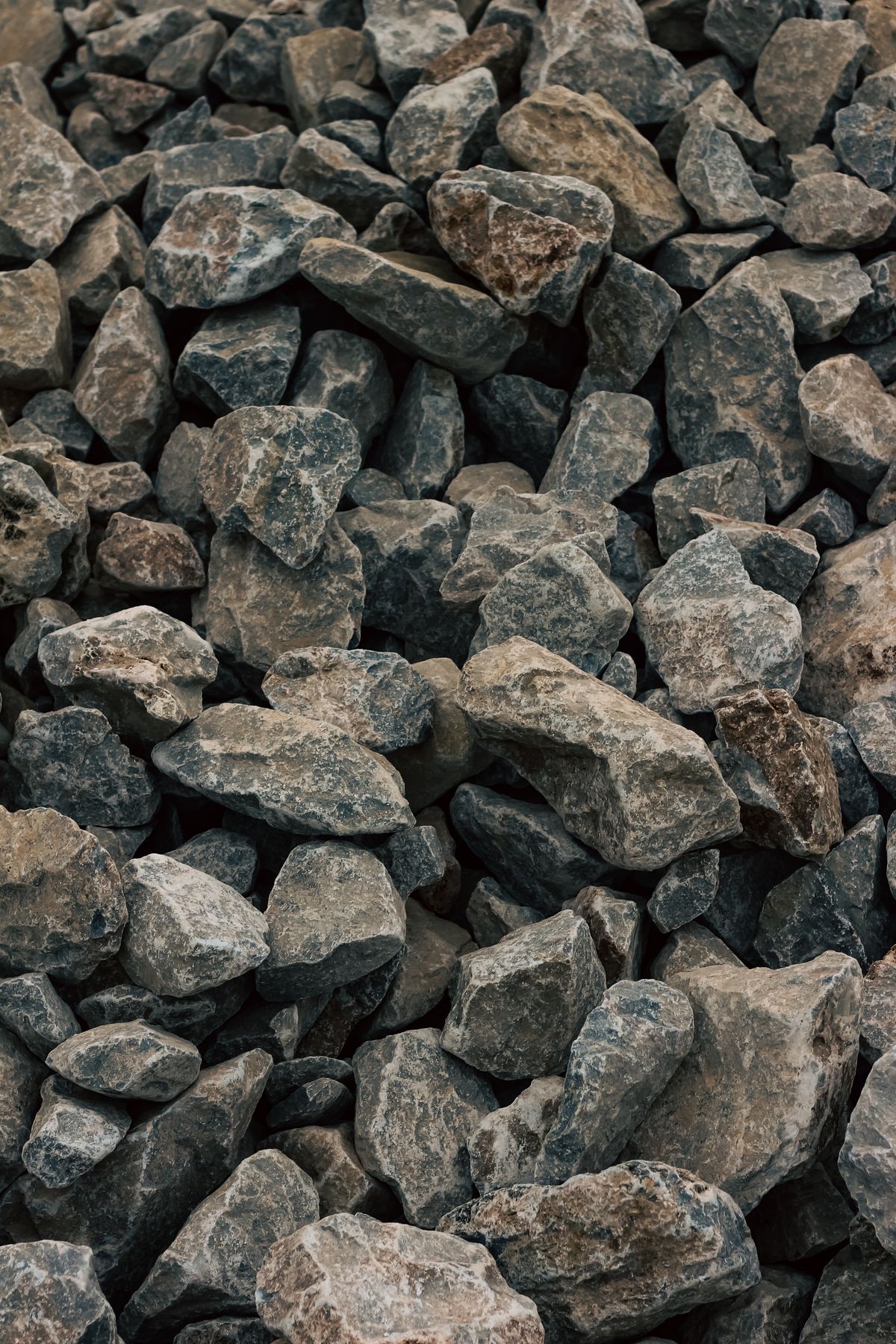
Limestone starts as larger rock that is crushed into different sizes. The material can include dust and smaller fines, while larger stone handles drainage and heavier applications. Smaller sizes work well around foundations and bedding work, while #610 limestone and crusher run are solid choices for a compacted base.
Crushed limestone is created by crushing down larger limestone into smaller sizes. The result is a variety of sizes that we use, from coarse limestone to dust and smaller fines. The larger the size, the heavier the application. Smaller sizes are great for foundation work, and #610 limestone and crusher run are awesome for base.
There are multiple limestone sizes and grades available for various applications, from foundations to drainage. There's a limestone to fit your needs. After you match the product to your job, call us to schedule delivery.
Crushed limestone works for driveways, building pads, drainage runs, road base, and construction access. The right size depends on whether you need a firm base, room for water to move, or stone for the work area.
Review Crushed Limestone#610 limestone packs down into a firm base because it includes crushed stone and fines. It works well under driveways, parking areas, private roads, pavers, and building pads.
Review #610 Limestone#57 limestone is clean, open stone for French drains, pipe bedding, wall drainage, concrete work, and clean backfill. It drains well but does not pack together like crusher run.
Review #57 Limestone#4 limestone is larger stone for heavy base, rough drainage, larger backfill, construction access, and sub-base layers. It is too coarse for fine pipe bedding or a smooth walking surface.
Review #4 Limestone#67 limestone is a smaller clean stone for drainage runs, concrete work, pipe zones, wall drainage, and tight backfill. It gives you stone without fines when a compacted base is not the goal.
Review #67 Limestone#89 limestone is a fine stone for pipe bedding, paver leveling, walkway topping, tight backfill, and small drainage work. It works best where a smaller stone fits the job, not where you need a heavy base.
Review #89 LimestoneCrusher run is crushed stone mixed with fines that packs down for driveways, pads, private lanes, parking bases, and paver sub-bases. It works well when you need a compacted surface before the finish layer goes on.
Review Crusher RunKeep the material, amount, and delivery details together when you request a quote.
Length, width, and planned depth give the material conversation a useful start.
Name the material you need, or describe the job so the right option can be discussed.
Provide the address, access notes, and intended drop spot so the route can be reviewed.
No matter how many materials your project needs, we can help you supply and source. We also offer these other materials.

Caddo Parish delivery coverage includes the listed cities and nearby communities. The address, material, access, and placement area confirm the route for an order.
A compacted base usually calls for a product with fines, such as #610 limestone or crusher run. The planned depth, vehicle traffic, and finished surface help narrow down which one fits the job.
Clean limestone is stone without the fines that help material lock together. Crusher run includes crushed stone and fines, so it packs down when the job needs a firm base layer.
Yes. Clean stone such as #57 or #67 is commonly used where water needs room to move around pipe, behind a wall, or through a drainage run. The size should match the space and purpose.
Larger stone handles heavier work and open drainage areas. Smaller stone fits tighter spaces, bedding work, and finish layers, while stone mixed with fines is used where compaction matters.
Start with the length and width of the area, then decide the planned depth. Those measurements give you a useful starting point for discussing the amount and the right grade.
Smaller limestone can work around foundation and bedding areas when the project calls for stone in that layer. Match the size to the plans and the drainage or support work being done.
Call with the project, material, rough amount, delivery community, and placement details.