The project
The job type sets the material conversation in motion. A driveway, pad, drainage run, and landscape finish do not call for the same layer.
The ground under the finished surface matters. The existing grade, planned use, drainage needs, and material layer all shape what comes next.

A driveway, pad, drainage route, lawn, and landscape bed can each need a different base, fill, or finish material.
The job type sets the material conversation in motion. A driveway, pad, drainage run, and landscape finish do not call for the same layer.
The material name and grade need to match the job plan. A product description, contractor, or direct question can help narrow it down.
Access, placement, and the delivery community affect how the order is discussed. Those details are part of the quote, not an afterthought.
Site Prep is scheduled around the route and material availability. The delivery window is confirmed with the order before you line up the next part of the job.
A base, fill, and finish layer each do a different job. Start with the result you need, then choose the material that fits.
Sand is usually part of a finish, bedding, backfill, or mix decision. The job plan matters more than the product name alone. Sand products cover mix work and leveling. They also show up in drainage or finish layers.
Limestone decisions usually come down to the layer under the finished surface and the load the area will carry. Limestone works in a base layer. It may also be used on driveways, drainage runs, or other load-bearing areas.
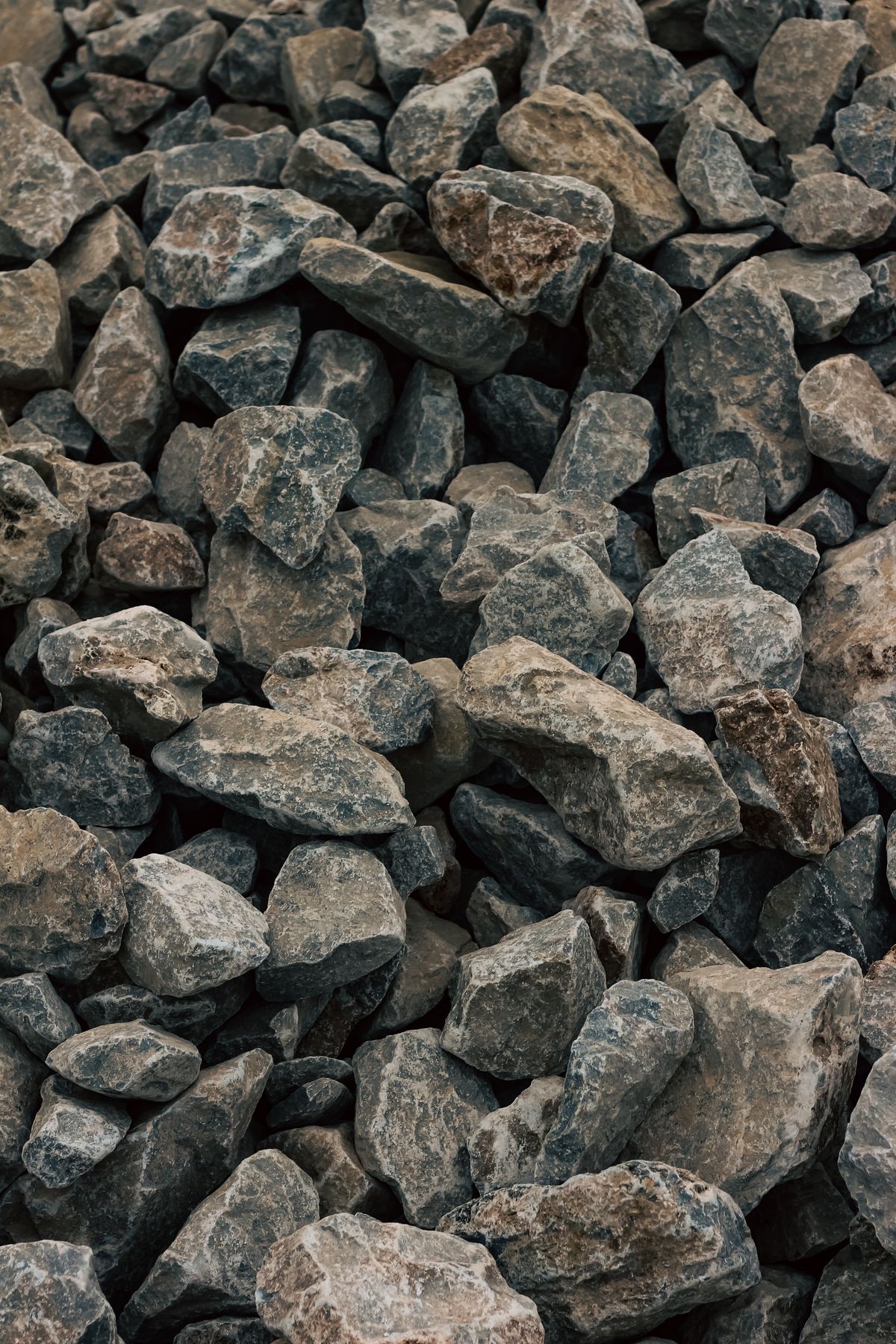
Gravel can serve an access, drainage, or finish purpose. The look of the stone is only one part of the decision. Gravel works for driveway and drainage jobs. It can also serve an access area or a visible stone surface.
Dirt and fill choices start with the grade you need to create, not with a generic material label. Dirt handles fill work and grade changes. It also shapes the ground below a finished surface.
Soil work belongs near the finish stage, after the shape and drainage plan are already settled. Soil supports lawn work and planting beds. It belongs in the top layer where roots take hold.
Mulch is a finish material. Bed size, depth, and the look you want are the useful details for a quote. Mulch finishes beds. It also helps the soil surface hold moisture.
Recycled material is useful when the project plan identifies the layer and intended use first. Recycled material can suit selected base work. It can also fit surface projects when the job calls for it.
Site prep starts with the ground you have and the surface you need when the work is complete. A driveway, parking pad, drainage route, lawn, and planting bed each need a different base, fill, or finish layer.
Stone and aggregate can support selected driving surfaces, pads, and access areas when the project calls for a firm layer below the finish.
Dirt products can raise low areas, shape a grade, and prepare the ground before another material is placed.
Soil, mulch, and decorative material belong after the rough work, drainage path, and grade are already set.
The ground under the new material matters. Low spots, soft areas, standing water, uneven grade, and traffic use can change what needs to happen before a final layer goes down.
A clear picture of the project helps keep the material discussion practical. Bring measurements, the finished height you need, access notes, and the next step in the project.
The right material comes after the job is clear. Get the ground conditions and finished use on the same plan before you schedule the load.
Say whether the area will become a driveway, pad, drainage path, lawn, or planting bed.
Length, width, depth, and any low sections help estimate the material needed for the project layer.
Share the property address, route, and drop spot so the material plan can be discussed with the delivery plan.
Site prep is the work that gets the ground ready for the next material layer. The exact work depends on the existing surface, the planned use, drainage needs, and the finished result.
Have the project type, rough dimensions, planned depth, finished height, property address, access notes, and drop area ready. Those details help connect the material to the job.
Not always. A base, fill layer, drainage layer, and visible finish can each need a different material. The project plan should guide that choice.
Yes. A residential driveway, parking area, yard grade, drainage route, lawn, or planting project can all start with a site-prep conversation.
The job type, existing surface, material needs, address, and placement details keep the site prep discussion grounded in the work.