Measure the area
Length, width, and planned depth give the material conversation a useful start.
When you need sand delivered for your project, call Caddo Sand and Gravel. Sand can be used for concrete or masonry mix, pipe bedding, drainage, fill, and finish work. Match the product to the layer you are building, then schedule delivery to your property.
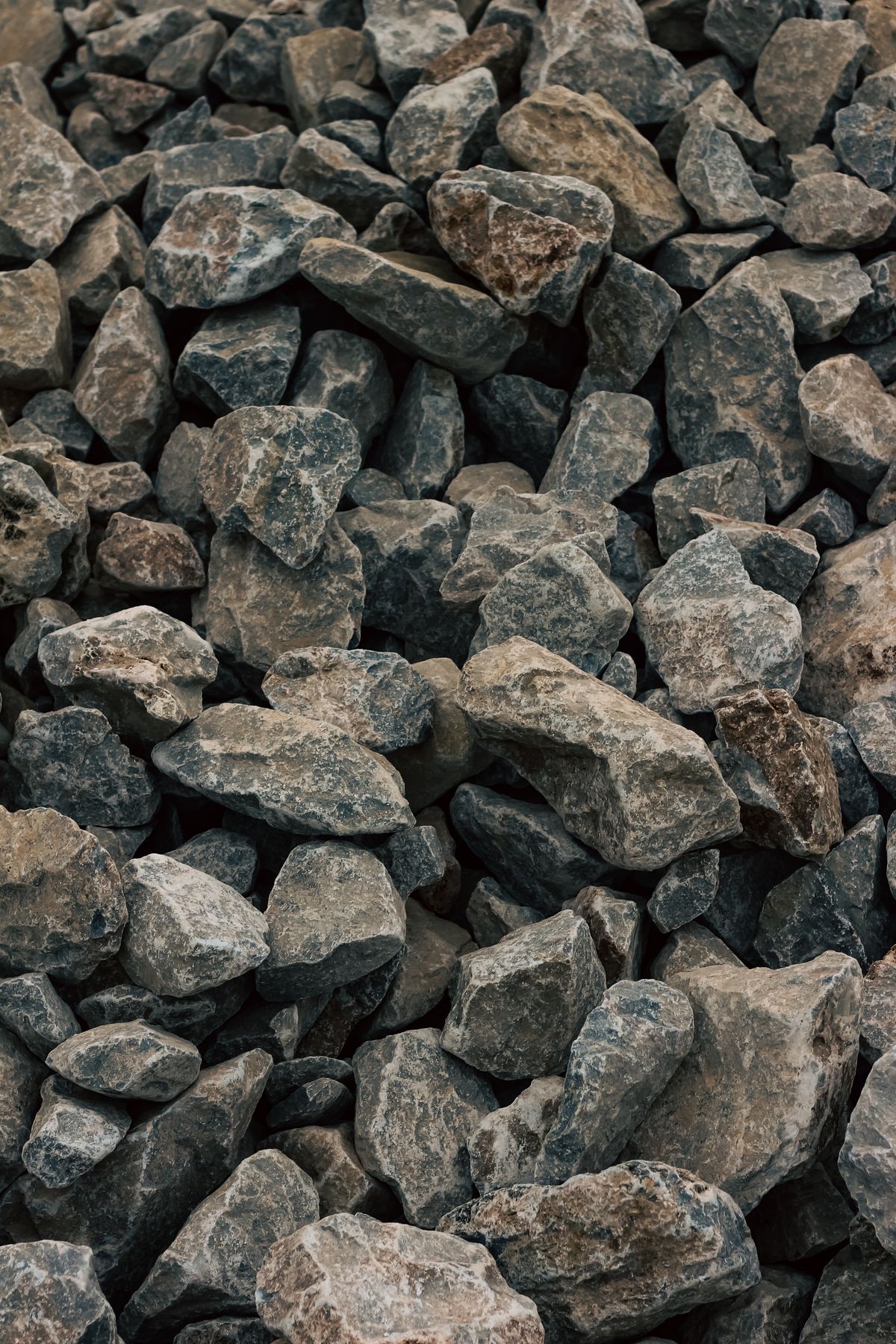
Sand does not all do the same work. Fine sand can fit mortar, concrete, pavers, and finish work. Coarser sand can fit pipe bedding, drainage, or a layer below another material.
Two piles can look close from a distance and still serve different jobs. Start with the work you are doing, the rough amount, and the delivery address. That gives the order a better place to start.
Choose sand based on the work, not only the name. Concrete and masonry work, drainage, bedding, fill, and finish work can call for different material.
Use fill sand when you need a workable material for shallow leveling, utility backfill, or prep beneath a small slab. It spreads smooth and fills tight spaces. It is not the material for a driveway base or any area that needs a compacted stone layer.
Review Fill SandMason sand is a fine sand for mortar, brickwork, and finish work where a rough fill sand would leave too much texture. It also works for sandboxes and small leveling jobs. Choose a base material instead when the job calls for load-bearing support.
Review Mason SandWashed sand is screened for jobs that need a more uniform sand with less loose debris. It fits under pavers, around pipe, and in play areas when the project calls for a washed material. Ask about the grade before using it in a concrete or septic job.
Review Washed SandPump sand is a coarse sand used where water needs a path to move through the material. It is common around drainage work and some septic projects. Match it to the installer's specification before ordering, because those jobs can call for a particular grade.
Review Pump SandConcrete sand is a coarse construction sand used in concrete work, bedding, and jobs that need more bite than a fine finish sand. It is a practical choice for a contractor following a mix or bedding specification. Do not substitute it for mason sand when a smooth mortar finish matters.
Review Concrete SandRiver sand has a natural, softer look that fits decorative work, play areas, and projects that do not need an angular base material. It can also suit selected drainage and fill jobs. For a compacted driveway base, use crusher run or another stone base instead.
Review River SandKeep the material, amount, and delivery details together when you request a quote.
Length, width, and planned depth give the material conversation a useful start.
Name the material you need, or describe the job so the right option can be discussed.
Provide the address, access notes, and intended drop spot so the route can be reviewed.
No matter how many materials your project needs, we can help you supply and source. We also offer these other materials.

Caddo Parish delivery coverage includes the listed cities and nearby communities. The address, material, access, and placement area confirm the route for an order.
Each sand is used for a different kind of work. Fill sand is used for leveling and filling, mason sand is a finer sand for masonry and finish work, and concrete sand is a coarser material for concrete-related work and drainage.
The right sand depends on the layer and the plans for the job. Share whether you are leveling, bedding, filling, or preparing for concrete so the material discussion starts in the right place.
Sand is often used around pipe and in bedding layers because it can be placed and shaped in tight areas. The type of pipe, trench, and surrounding material all matter before choosing the sand.
Measure the length and width of the area, then note the depth you need. A rough sketch helps when the work has more than one section or changes depth.
They are not always the same material or finish. Ask for the sand by its intended use, such as concrete work, bedding, masonry, fill, or a landscape project.
Usually not. A fill layer, pipe bedding, concrete work, and finish surface can each call for a different sand, even when the work happens at the same property.
Call with the project, material, rough amount, delivery community, and placement details.